Tortricidae
51a0296 –
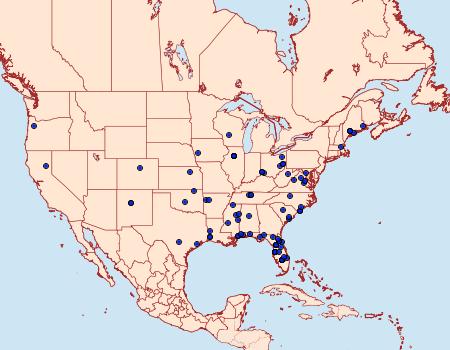
3631 Choristoneura obsoletana
(Walker, 1863)
|
|
|
| Photographs are the copyrighted property of each photographer listed. Contact individual photographers for permission to use for any purpose. |
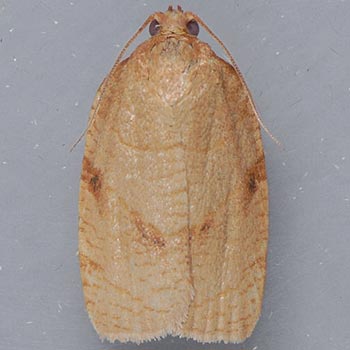
© Mark Dreiling - DNA
|
Larva and
Host Plants: |
Host familiy: Annonaceae Betulaceae Ericaceae Fabaceae Rosaceae Rubiaceae Typhaceae Apiaceae . Host genera: Apium Aronia[=Photinia] Asimina Betula Cassia Chamaedaphne Chiococca Fragaria Gaylussacia Lespedeza Rubus Typha. Notes: polyphagous on trees, shrubs and herbs (Forbes 1923). (Shropshire & Tallamy 2025 [accessed 6xii2025])
|
| Genitalia: |
Canadian Entomologist, 124(1): 21; figs. 81-85. |
| Similar Species: |
- Pinned specimens of related species. (Hint: select View by Region on the related species page.)
|
| Synonymy: |
obsoletana (Walker, 1863) (Tortrix) - MONA 1983: 3631sanbornana (Robinson, 1869) (Tortrix)seminolana (Kearfott, 1907) (Tortrix)transiturana (Walker, 1863) (Cacoecia)vesperana (Clemens, 1865) (Lozotaenia) |
|
| References (Caution: DNA barcoding at BOLD provides evidence of relatedness, not proof of identification; some BOLD specimens shown may not be sequenced.) |
- Barcode of Life (BOLD) - Caution: Identifications often erroneous; DNA barcode provides evidence of relatedness, not proof of identification; many specimens not sequenced.
- Dang, P.T., 1992. Morphological study of male genitalia with phylogenetic inference of Choristoneura Lederer (Lepidoptera: Tortricidae). The Canadian Entomologist, 124(1): 7-48. (abstract and access (fee))
- Hall et al., 2021. The Moths of North Carolina - website (identification, habitats and life history)
- Shropshire, K.J. & D.W. Tallamy, 2025. Lepidoptera of North America, north of Mexico: an annotated list containing geographic ranges and host-plant records. ZooKeys, 1261: 101-113; Suppl. 1. (PDF or read online)
- Species Page at BugGuide.Net
- Species Page at Mass Moths
- Species Page at Tortricid ID - Identification Technology Program (ITP)
- Species Page at iNaturalist
|

© Jeff Hollenbeck
|

22mm – © Jim Vargo

21mm – © U. S. National Museum
|